
A free DM can contain the first assignment. A paid review lets a professional charge for helping a customer decide what work to commission.
Consider an online shop owner about to pay for a redesign because customers keep abandoning their baskets. What happens if the real problem is the delivery charge they only see at checkout? A new website could leave the same obstacle in place.
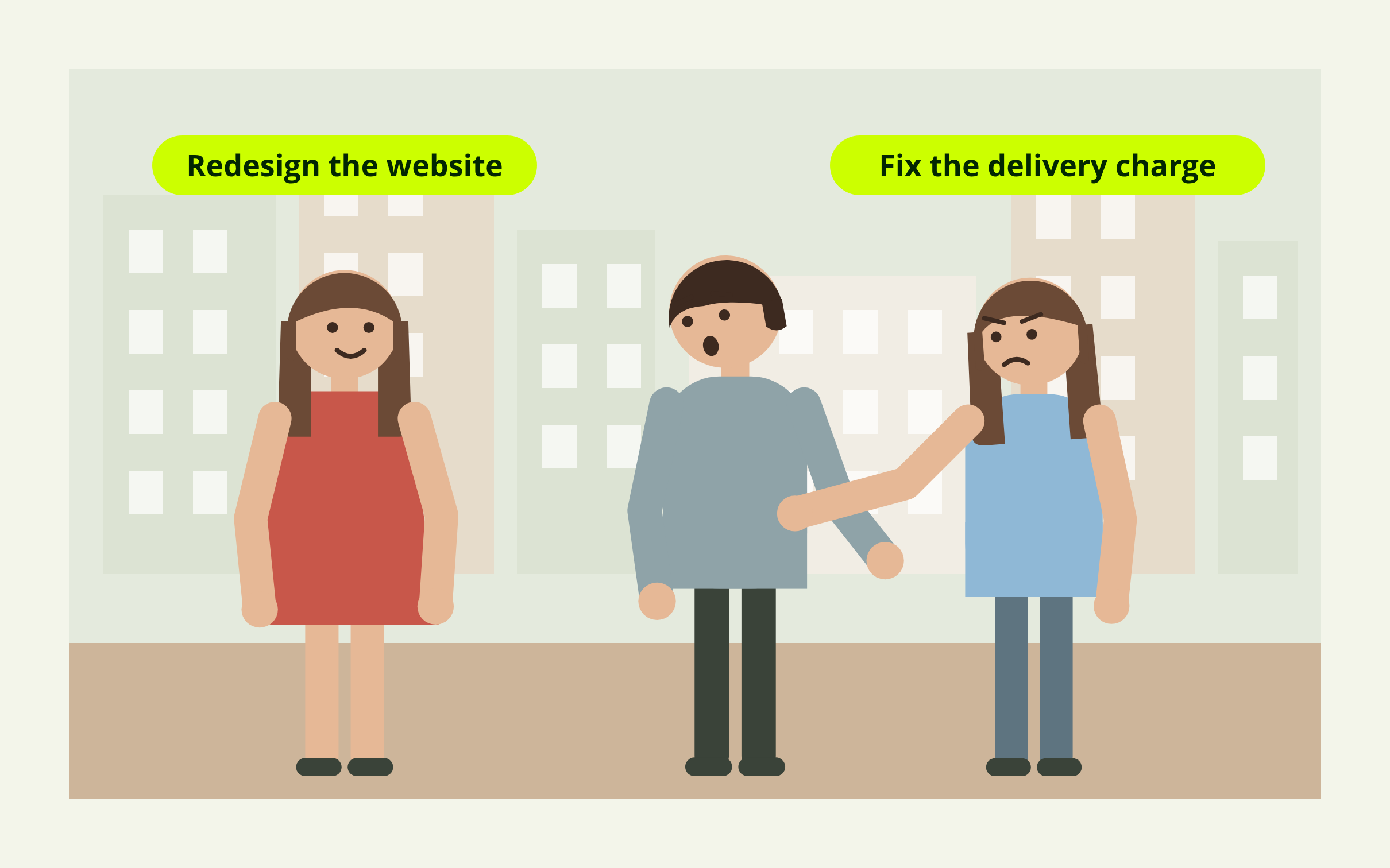
In this hypothetical case, the owner already knows whom she wants to ask. She has followed an e-commerce consultant's work and trusts his experience. She sends him a message: “Do I need to rebuild the site, or is there something smaller we should fix first?”
The consultant could help with either. To recommend one, though, he would need to look through the checkout, examine the available sales data and ask about changes to pricing or delivery. The owner needs that work before she can decide whether to commission a redesign.
If he starts checking the store and interpreting her sales report in the DM thread, the assessment is already underway. Yet they have agreed neither an assignment nor a fee. A screenshot prompts another question; his explanation prompts a request for a recommendation. He can end up doing the work in the hope that a larger project will follow.
In a 2025 survey of 1,023 US solopreneur customers, insurance broker Simply Business found that 35% turned to social media for business advice. Public guidance can help an owner choose whom to approach. Applying it to her own checkout requires a separate piece of work.
A paid review gives the consultant a first assignment he can offer at that point. Before examining the store, they agree on the question to investigate, the material he will review and the written recommendations she will receive. She can buy that assessment without committing to a rebuild.